Pizza Halloween Design: A Designer’s Review
As an embroidery designer who has spent countless hours digitizing and testing graphics for real-world application, I approach every new Pizza Halloween T-shirt Designs Graphic with a mix of curiosity and caution. We have all seen the trend mashups before—pumpkins wearing glasses, ghosts eating candy—but combining horror motifs with pizza is a specific niche that appeals to a distinct audience. When I first loaded this file into my viewer, I was not just looking at a cute graphic; I was evaluating its viability as a commercial asset for my craft business and the small shop owners I advise.
First Impressions and Visual Personality
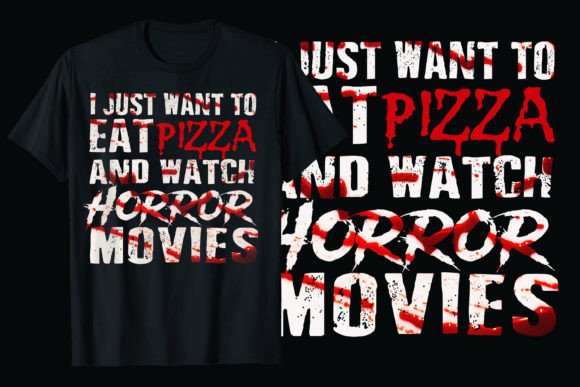
The immediate mood of this design is playful rather than genuinely terrifying, which is exactly what modern consumers want for October apparel. It leans into the "spooky cute" aesthetic that dominates social media during the fall season. The layout typically features a slice of pizza interacting with classic Halloween elements, such as a ghost, a jack-o'-lantern, or vintage horror typography. From a designer’s perspective, the balance between the organic shapes of the melted cheese and the geometric lines of the pizza crust is crucial. If the lines are too jagged, they will not translate well to thread. If they are too smooth, the design loses its quirky character.
This Halloween T-shirt Designs Graphic succeeds in creating a visual personality that feels vintage and slightly retro. This is important because vintage-style graphics tend to perform better on textured fabrics like heather grey sweatshirts or canvas tote bags. The "Scary, Tale, Vintage" descriptors in the product metadata suggest an intentional aging or distressed look, which can be a double-edged sword in embroidery. Distressed effects look great on screen, but in stitching, they require careful handling to avoid looking like accidental gaps in the thread coverage.
Real-World Application: The Sweatshirt Test
To truly understand how this Pizza Halloween T-shirt Designs Graphic performs, I mentally placed it on a standard crewneck sweatshirt for a client’s boutique launch. This is a common scenario for Etsy sellers and handmade shop owners. On a thick, cotton-blend fabric, the design needs enough density to stand out without sinking into the fleece. I imagined using a combination of satin stitch for the outlines and fill stitch for the larger areas like the cheese and pepperoni. The contrast here is key. If the thread colors are too similar, the details get lost. For a Halloween theme, high-contrast pairings like bright orange against black or cream against dark navy work best.
I also considered this design for a custom embroidered tote bag. Canvas is a sturdy medium that handles higher stitch densities well. Here, the graphic could serve as a central focal point. However, because tote bags are functional items that undergo frequent washing, the durability of the stitch pattern becomes a primary concern. A design that looks intricate on a digital mockup might unravel or pucker if the underlay is insufficient. This is where the quality of the original T-Shirt Designs file matters immensely. If the digitizer has accounted for fabric pull, the finished product will maintain its shape after multiple wash cycles.
Navigating Technical Challenges
While the concept is strong, there are areas where this Pizza Halloween T-shirt Designs Graphic requires careful execution. One major consideration is the hoop size. If you are working with a 4x4 inch hoop, you may need to scale the design down, which risks losing detail in smaller elements like facial expressions on ghosts or seeds on pumpkins. Tiny lettering, often found in vintage-style graphics, is notoriously difficult to embroider cleanly. If the text is smaller than a quarter-inch, it may become illegible once stitched. I always recommend testing such designs on scrap fabric before committing to a final garment.
Another challenge is fabric texture. Stretchy fabrics, such as jersey knits used for t-shirts, require a cut-away stabilizer to prevent distortion. If you attempt to stitch this design on a thin, stretchy tee without proper stabilization, the pizza slices may warp, and the circular elements might look oval. For curved surfaces like caps, the design must be simplified. Complex backgrounds and dense fill stitches can cause puckering on the structured front panel of a hat. In these cases, an applique design approach might be more suitable, using fabric pieces for the pizza crust and cheese, outlined with a satin stitch. This reduces stitch count and bulk, making it more comfortable to wear.
Commercial Viability and Brand Consistency
For commercial embroidery projects, consistency is everything. When selling finished products or digital embroidery files, your customers expect a professional finish. This Pizza Halloween T-shirt Designs Graphic has the potential to boost buyer engagement because it taps into two passionate communities: foodies and horror fans. It is highly shareable on social media, which aids in organic marketing for small business merchandise. However, brand consistency requires that the execution matches the promise of the design. A sloppy stitch-out can damage trust, whereas a clean, crisp embroidery enhances perceived value.
I often advise crafters to create printable mockups to visualize how the design looks on different colored garments. Testing the graphic in black and white can reveal contrast issues that color might hide. If the design relies solely on color differentiation to define shapes, it may fail on monochrome stitching or when viewed from a distance. Ensuring that the silhouette is recognizable even without color is a hallmark of a well-designed graphic.
Practical Notes for the Embroiderer
Before you load this digital embroidery file into your machine, take a moment to review the technical specifications. The product description mentions SVG, Transparent PNG, and EPS formats. It is vital to confirm whether these are vector files for cutting machines or if actual DST, PES, or JEF embroidery files are included. SVGs are not native embroidery formats and must be digitized or converted, which can lead to poor stitch quality if done automatically. Always check if the seller provides pre-digitized embroidery files optimized for specific hoop sizes.
- Test on Scrap Fabric: Always run a test stitch-out on the same type of fabric you plan to use for the final product.
- Check Thread Contrast: Ensure your thread colors provide enough distinction between the pizza elements and the Halloween motifs.
- Review Stitch Density: High density can cause puckering on thin fabrics; adjust tension or use appropriate stabilizers.
- Confirm Licensing: Verify if the license allows for commercial use of finished items or if it is for personal use only.
- Inspect Small Details: Zoom in on the design to ensure tiny elements are not too close together, which can cause thread breaks.
In conclusion, the Pizza Halloween T-shirt Designs Graphic is a charming and commercially viable option for the upcoming holiday season. It fits naturally into the current trend of humorous, niche-specific apparel. However, its success depends entirely on the skill of the embroiderer and the quality of the digitization. By paying attention to stabilizer choice, thread contrast, and fabric compatibility, you can transform this simple graphic into a standout piece for your craft business. Whether you are creating a personalized gift for a friend or stocking your Etsy shop with holiday embroidery, this design offers a fun canvas for creativity, provided you respect the technical limitations of the medium.