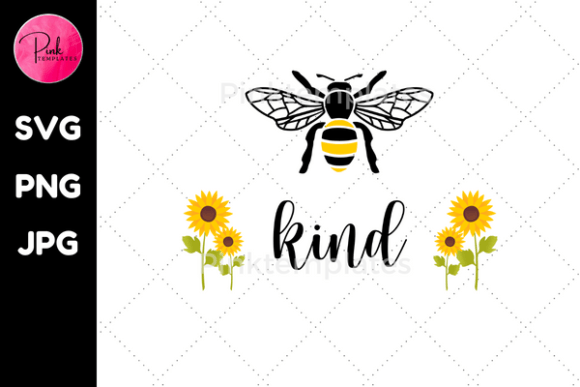
Review: Be Bee Kind Tshirt Design Graphic
As a designer who has spent countless hours digitizing patterns and testing stitches on everything from flimsy rayon to heavy denim, I have learned that not all graphics translate well to thread. When I first pulled up the Be Bee Kind Tshirt Design Graphic, my initial reaction was one of cautious optimism. The concept is timeless—combining nature with a gentle reminder of kindness—but the execution in digital format is what ultimately determines its success in a real-world embroidery project. I wanted to see if this design held up under the microscope of practical application, specifically for those of us running small craft businesses or creating personalized gifts.
First Impressions and Visual Personality
The mood of this graphic is undeniably warm and inviting. It strikes a balance between playful and sophisticated, which is a difficult needle to thread. For embroidery designers, the layout appears clean, with distinct shapes that suggest good potential for stitch definition. The theme revolves around positivity and nature, making it a versatile candidate for various demographics. Whether you are targeting young parents looking for baby embroidery ideas or adults seeking uplifting custom apparel, the visual personality fits.
What stands out immediately is the simplicity of the lines. In the world of machine embroidery design, complexity can often be the enemy of quality. A cluttered design leads to excessive jump stitches and potential thread breaks. This graphic, however, seems to prioritize clarity. The shapes are bold enough to withstand the texture of fabric, ensuring that the message remains legible even after multiple washes. This is crucial for anyone selling finished products, as durability directly impacts customer trust and brand consistency.
Real-World Application: The Tote Bag Test
To truly evaluate the Be Bee Kind Tshirt Design Graphic, I imagined a specific scenario: a custom embroidered tote bag for a local farmer’s market vendor. Tote bags are typically made from canvas or cotton twill, fabrics that have a noticeable weave. I visualized placing this design on the front panel, centered for maximum visibility.
In this context, the design shines. The open spaces within the graphic allow the natural texture of the canvas to breathe, preventing the "cardboard effect" where too much stitching makes the fabric stiff and unyielding. For an Etsy seller, this is a significant advantage. A tote bag with this motif feels handmade yet professional. It transforms a simple utility item into a statement piece. The design’s adaptability means it could easily transition from a tote bag design to a sweatshirt embroidery project without losing its charm. On a heavier fabric like a fleece hoodie, the design would likely require a denser fill stitch to ensure coverage, but the core structure seems robust enough to handle that adjustment.
Navigating Fabric and Hoop Constraints
While the design is versatile, there are areas where caution is necessary. Embroidery is not just about dropping a file into your software and hitting start. You must consider the interplay between the graphic and the material. For instance, if you are working with stretchy fabrics like jersey knits for t-shirts, the stability of the design becomes paramount. Without proper stabilizer, even the best digital embroidery file can pucker or distort.
I would advise testing this graphic on scrap fabric first, especially if you are new to working with textured fabrics or thin materials. The detail level, while appealing, needs to be checked against your hoop size. If you are using a smaller hoop, ensure that the outer edges of the design do not get too close to the boundary, which can cause hoop burns or incomplete stitching. Additionally, when working on curved surfaces like caps, the density of the stitch work matters. A heavy satin stitch might pull the fabric, whereas a lighter running stitch or fill stitch might lay flatter. Always check whether the design works for both personal and commercial projects by reviewing the license terms provided with the SVG, JPG, and PNG files.
Enhancing Product Value and Customer Appeal
From a business perspective, the Be Bee Kind Tshirt Design Graphic offers more than just aesthetic appeal; it adds perceived value. Customers are increasingly drawn to items that convey a message or a feeling. This design taps into the trend of mindful living and eco-consciousness. When used in holiday embroidery or as part of a boutique branding strategy, it helps create an emotional connection with the buyer.
For handmade product sellers, presentation is everything. This graphic lends itself well to high-quality printable mockups. By showcasing the design on various items—such as aprons, pillow covers, or kitchen towels—you can give potential buyers a clear idea of the finished product. This transparency builds confidence. Furthermore, the versatility of the files (SVG, JPG, PNG) means you can use the same asset for cut machines, stickers, or POD (Print on Demand) services, allowing for a cohesive product line across different mediums. This multi-use capability is a huge asset for creative entrepreneurs looking to maximize their design assets.
Practical Notes for the Embroiderer
Before you commit to stitching this design on a final garment, here are some practical steps to ensure success. First, always test the thread color contrast. While the default colors in the preview might look great, your specific thread palette might require adjustments to maintain visibility. Dark fabrics, for example, may need a lighter underlay or a border to make the design pop.
Second, inspect the small details. If the graphic includes tiny lettering or intricate corners, verify that your machine can handle the resolution. Sometimes, simplifying a node or two in your digitizing software can prevent thread bunching. Third, consider the washability of the final item. If you are creating baby clothes or items that will be laundered frequently, ensure that the stitch density is appropriate to prevent unraveling. A well-digitized applique design can often be more durable than a complex fill stitch on delicate fabrics.
Finally, remember that licensing is key. Since these are digital design files intended for various uses, including commercial embroidery projects, confirm the specific rights associated with the purchase. Can you sell the finished embroidered items? Can you use the graphic in your marketing materials? Clarifying this upfront protects your small shop product line and ensures you are operating within legal boundaries.
Final Verdict
The Be Bee Kind Tshirt Design Graphic is a solid addition to any designer’s library. It is not just a pretty picture; it is a functional asset that, when handled with care, can elevate a wide range of embroidery projects. From custom apparel to home decor, its adaptable nature makes it a reliable choice for both hobbyists and professional makers. By paying attention to fabric choice, stabilizer use, and stitch settings, you can transform this digital file into a tangible, high-quality finished product that resonates with customers. It is a reminder that in embroidery, as in life, kindness and attention to detail go a long way.