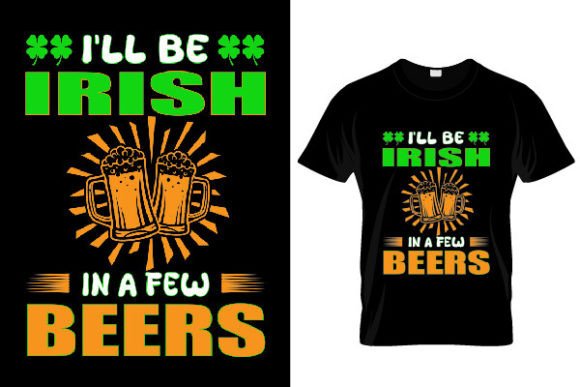
Reviewing the Irish Graphic T-Shirt Design for Embroidery
As a designer who spends more time staring at digitized stitch paths than I do sleeping, I approach every new machine embroidery design with a mix of curiosity and skepticism. We have all been there: you download a file that looks stunning on the screen, only to watch it turn into a puckered mess on actual fabric. Today, I am taking a close look at the Irish Graphic T Shirt Design. This is not just about whether it looks cute; it is about whether it holds up under the needle, respects the integrity of the fabric, and delivers value to the end customer.
The first impression of this piece is one of bold, cultural pride. The layout suggests a strong graphic presence, which is essential for visibility on garments. When I loaded the file into my editing software, I was immediately looking for clean line work and logical color breaks. For an embroidery project centered around heritage or holiday themes, the visual personality needs to be distinct without being overly cluttered. This design seems to strike that balance, offering enough detail to be interesting but maintaining the open spaces necessary for proper stitch formation.
Real-World Application: Beyond the Screen
Let us move away from theoretical analysis and talk about real use. I recently had a client request a custom order for a St. Patrick’s Day collection for their boutique. They needed something that would work on heavy cotton tote bags and softer fleece sweatshirts. This is where the Irish Graphic T Shirt Design truly gets put to the test. A design that works on a rigid canvas might fail miserably on a stretchy knit.
I simulated the stitching process mentally, considering how the satin stitch borders would interact with the fill areas. For a tote bag design, the density needs to be higher to prevent the fabric from showing through, whereas for a sweatshirt embroidery project, too much density can cause stiffness and discomfort against the skin. The graphic nature of this file suggests it relies on solid shapes rather than intricate, hairline details. This is a positive trait for commercial viability. It means the design is forgiving on textured fabrics like terry cloth or waffle knit, which are popular for cozy, seasonal apparel.
If you are an Etsy seller or run a small shop, versatility is your best friend. I can envision this graphic working beautifully on a structured cap, provided the underlay is sufficient to stabilize the curved surface. It would also make a charming addition to a kitchen towel, adding a festive touch to holiday hosting. The key is understanding that this is a graphic first and foremost. It is designed to be seen from a distance, making it ideal for statement pieces rather than subtle, delicate accents.
Technical Considerations for Stitching Success
Before you hoop up your favorite garment, there are critical technical factors to consider. Since the product description mentions these are digital files for various occasions, we must assume the user is responsible for testing. I always advise checking the stitch density before running a full production batch. If the design uses heavy fill stitch areas, you may need to adjust your tension settings or use a heavier cut-away stabilizer to prevent distortion.
One area where many designers stumble is with small text or fine lines. While this is a graphic design, if it includes any lettering or intricate shamrock details, you must verify the minimum stitch length. On a custom apparel piece like a baby onesie, tiny details can get lost or become scratchy. I recommend running a test stitch-out on scrap fabric that matches the weight and texture of your final product. This is non-negotiable for professional results.
Consider the thread colors carefully. Irish-themed designs often rely on vibrant greens, whites, and oranges. However, if you are stitching on a dark navy hoodie, those bright greens might not pop as expected without a proper underlay or a slight adjustment in shade. Conversely, on a white tee, ensure your green threads are high-quality rayon or polyester to maintain that lush, saturated look that defines a premium handmade product.
Navigating Fabric and Hoop Constraints
Not every surface is created equal. If you are planning to use this on a curved surface like a baseball cap, you need to be mindful of the hoop size and the design's dimensions. Large, dense graphics can pull on the fabric of a cap, causing it to warp. In such cases, using a tear-away stabilizer backed with a fusible interfacing can provide the necessary support. For flat items like pillow covers or aprons, the design should lay flat and crisp, assuming the fabric is properly hooped and stabilized.
Be cautious with thin or stretchy fabrics. If you are attempting baby embroidery on a delicate rib-knit bodysuit, the weight of the stitches might cause the garment to hang unevenly. In these instances, consider scaling the design down slightly or choosing a lighter weight thread. Always check if the design is suitable for the specific fabric texture you are using. A design that looks sharp on broadcloth might look jagged on a rough linen blend.
Commercial Value and Brand Consistency
For those of us in the craft business, the ultimate question is: will this sell? The Irish Graphic T Shirt Design has strong potential for seasonal spikes in sales. Holiday embroidery is a massive market, and customers are looking for high-quality, unique items that stand out from mass-produced retail goods. A well-executed embroidered item conveys a sense of care and craftsmanship that printed shirts simply cannot match.
When you use this design in your small shop product lineup, consistency is key. Ensure that your stitching quality matches the professionalism of the design. Clean trim threads, proper backing removal, and crisp pressing are what turn a good design into a great finished product. Use this graphic to build trust with your customers. If they see that your embroidery is durable and visually appealing, they are more likely to return for future personalized gift needs.
Additionally, think about your marketing assets. A clean, well-stitched sample of this design can be used in printable mockup scenarios or social media previews. Show the design on different items—a mug, a tote, a shirt—to demonstrate its versatility. This helps buyers visualize the product in their own lives, increasing engagement and conversion rates.
Final Verdict and Designer Notes
In conclusion, the Irish Graphic T Shirt Design is a solid addition to your library of T-Shirt Designs and Graphics. It offers a bold aesthetic that translates well to embroidery, provided you respect the technical limitations of your machine and materials. It is not just a digital file; it is a tool for creating tangible value.
Here are my final practical notes for anyone ready to stitch this out:
- Test First: Always stitch a sample on similar fabric to check for registration and density issues.
- Check Licensing: Confirm the license terms provided by the seller. Ensure you are cleared for commercial embroidery if you plan to sell finished items.
- Stabilize Properly: Match your stabilizer to the fabric weight. Do not skimp on stabilization for stretchy knits.
- Thread Quality: Use high-sheen threads for vibrant colors that catch the light and enhance the graphic appeal.
- Inspect Details: Zoom in on the design file to check for any overlapping stitches or unnecessary jumps that might need editing.
By approaching this digital embroidery file with a professional mindset, you can create stunning embroidered patch styles, apparel, and home decor items that resonate with customers. Whether for a holiday embroidery rush or a year-round heritage collection, this design has the potential to be a staple in your creative arsenal. Just remember: the magic is not just in the download, but in the execution.